Role of seaweed aquaculture in marine ecosystems
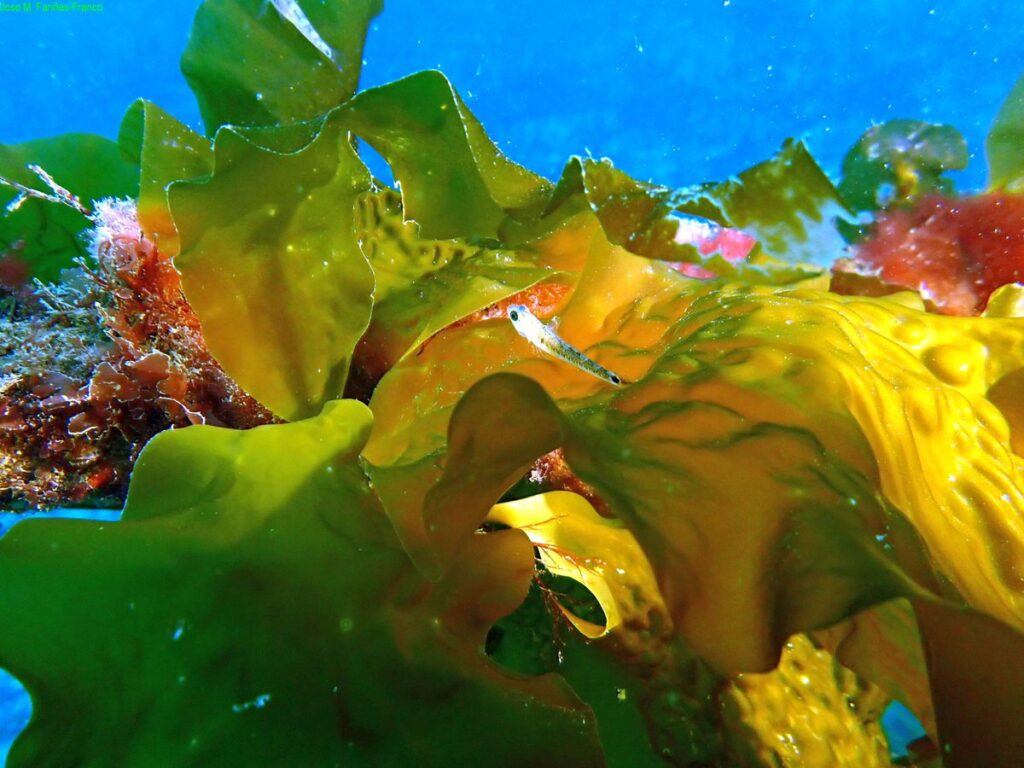
This RISE project builds up on previous field and laboratory investigations conducted in GENIALG aiming to quantify the effect of kelp aquaculture on marine ecosystems. The projects focuses on their impacts on benthic communities and their role in food webs, as biodiversity reservoirs and nursery habitats for fish. This project will determine and quantify the […]
Machine Learning assisted detection and prediction of climate change related anomalous events in complex marine systems
This project is a PhD Cullen MI award. It is a multidisciplinary project that aims to bridge the gap between marine sciences and machine learning in detecting climate change related anomalous events. Anomalies are data points or patterns in data that are unusual and do not conform to a notion of normal behaviour. Anomaly detection […]
Climate change impacts on fish stocks
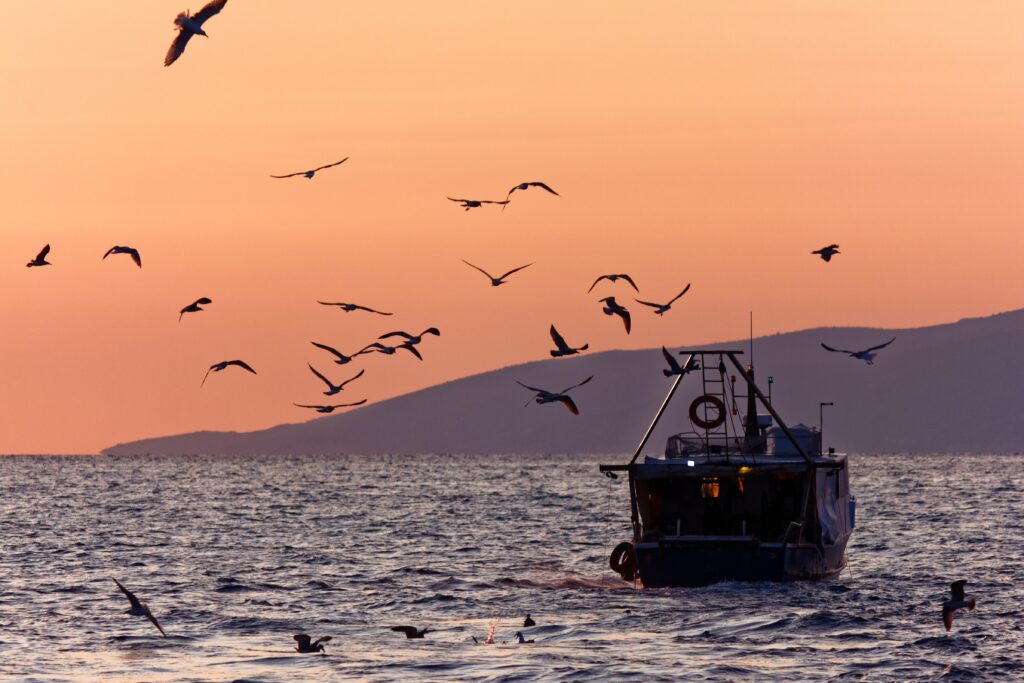
This project takes a whole life cycle approach to investigating impacts of climate change on fish stocks. Advanced time series, spatial modelling and biophysical modelling approaches are used to determine the influence of environmental and fishing drivers on larval dispersal and recruitment, adult distributions, migrations and overall stock productivity. The research is conducted in collaboration […]
Education for sustainable development (TUNASIA)
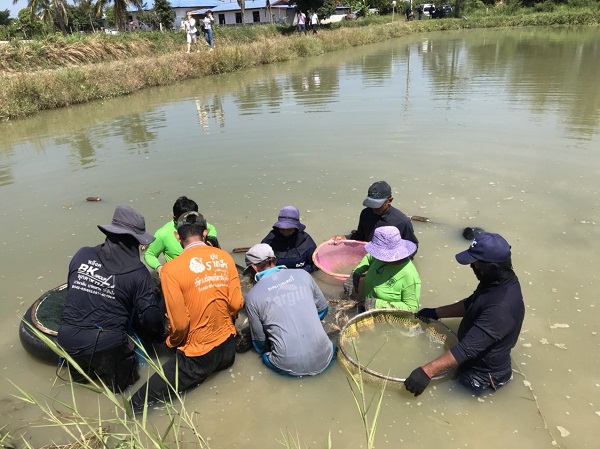
TUNASIA is an ERASMUS+ research project (2017-2021). The project focuses on the modernization and development of curricula at both a BSc and MSc level on the topic of aquaculture in both Vietnam and Thailand. The aims are 1) to incorporate educational competencies as criteria to be assessed within the curricula and 2) to move to […]
Genetic screening of zooplankton (2019-2023)
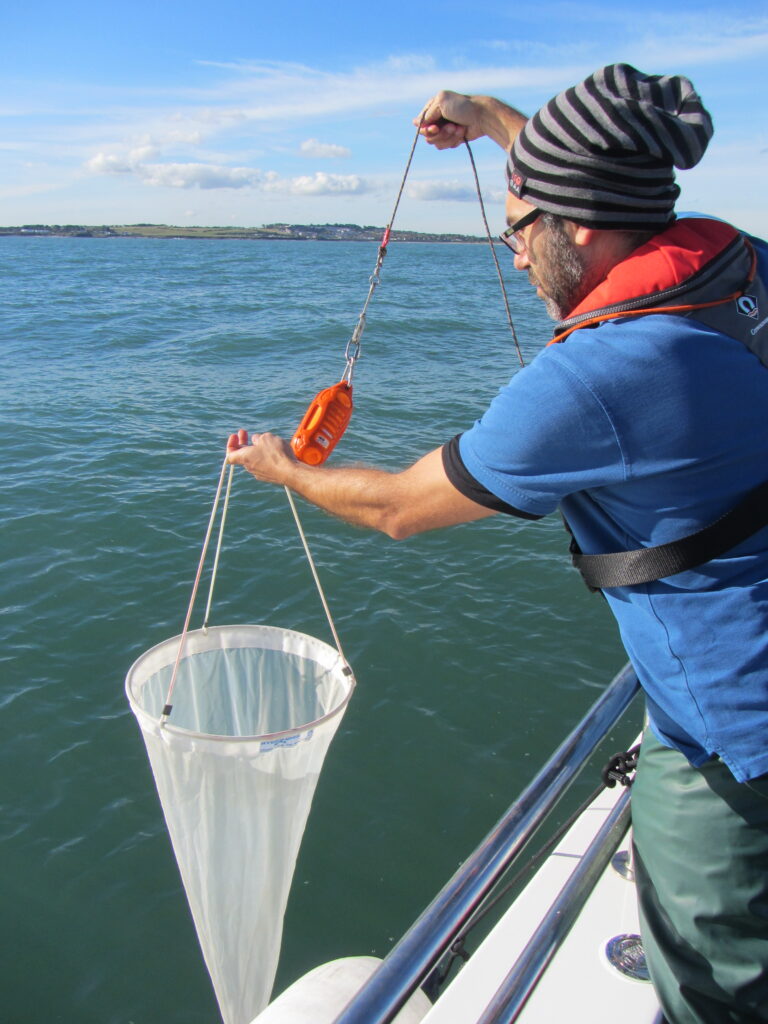
This project aims at developing state-of-the-art molecular tools for the rapid and cost-effective screening of plankton samples for the presence of bivalve and crustacean species of commercial value. This project is in collaboration with BIM (RFT186454 and RFT150321) and is funded by the European Maritime Fisheries Fund.
Something to be crabby about
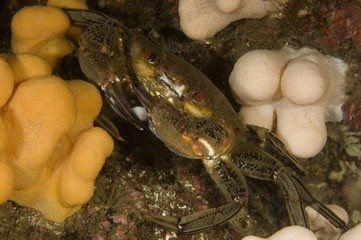
Internal parasites often go undetected until an issue arises. Velvet crab yields have recently been reported to be in decline and several microparasites have been found infecting these crustaceans. PhD student Signe Martin aims to investigate these microparasites in order to assess their impact on commercial crustacean species. She is working as a Cullen Scholar […]
Multifunctional agricultural landscapes
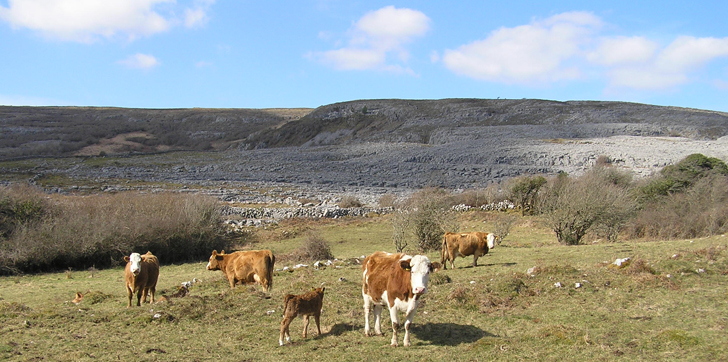
The agricultural landscape of many parts of the country, particularly the uplands and west, are comprised of a diverse mix of land types of varying capacities for food production and a broad range of ecosystem services. The Burren context presents a unique opportunity to investigate the potential for improved integration where a system for payments […]
GENIALG
Funded by the EU H2020 Programme (2017-2021) GENIALG aims to increase the production and exploitation of cultivated seaweed in Europe an environmentally sustainable and socially acceptable manner, maximising its ecosystem services. Work package 6 aims at establishing the environmental footprint and ecosystem services of seaweed aquaculture and it is partly led by National University of […]
Microplastics in freshwater
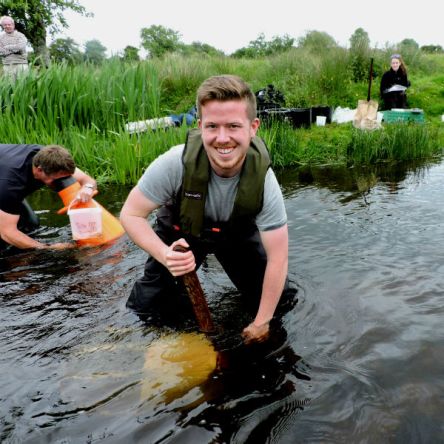
This multidisciplinary project (2017-2020) involving the Marine and Freshwater Research Centre (MFRC), GMIT, the Centre for Water Resources Research (CWRR) and the Earth Institute, UCD, Wageningen University and Carey Building Contractors is funded by the Environmental Protection Agency (EPA). The project will inform the development and implementation of policy through improved understanding of Microplastic (MP) […]
Bluefin tuna stock structure
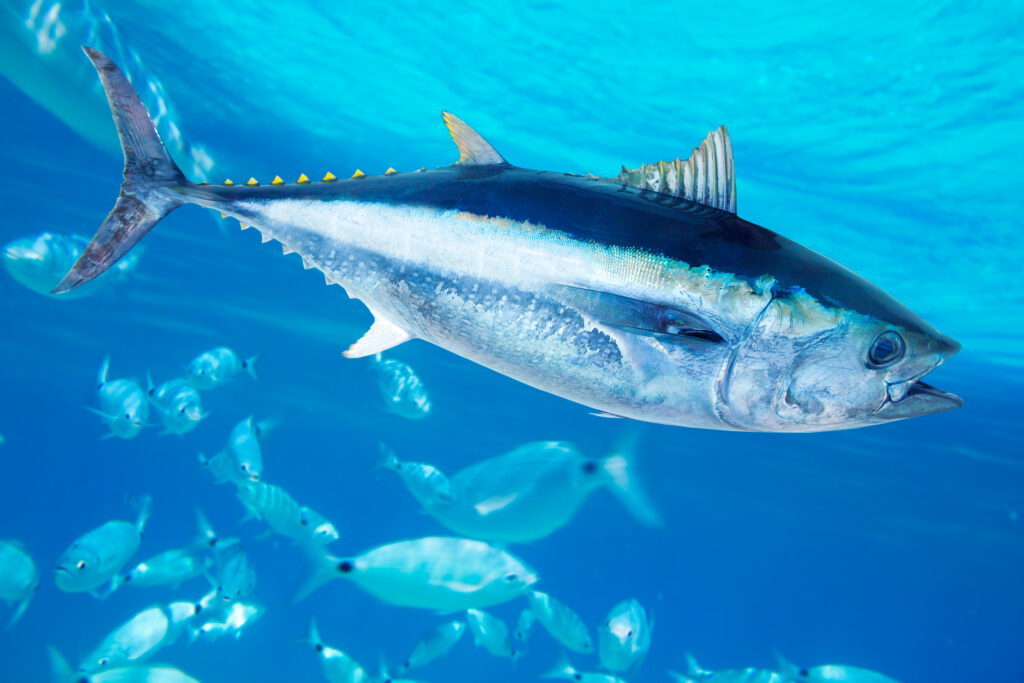
The assessment and sustainable management of Atlantic blue fin tuna (ABFT) is challenged by uncertainties surrounding rates of mixing between management areas. MFRC researchers are part of an international collaboration (2014-present), led by AZTI (Spain) which aims to improve knowledge of ABFT population structure and mixing as well as age and growth dynamics. The team […]