Mesopelagic fish communities of the NE Atlantic
This project aims at advancing our understanding of mesopelagic fish communities in the North East Atlantic Ocean. The mesopelagic zone, or twilight zone, extends from 200 m to 1000 m of depth and it is a poorly understood environment. Such knowledge gap is significant because such environment plays a pivotal role in the ocean’s carbon […]
Spatial Distribution, Habitat Suitability and Population Connectivity of horse mussel (Modiolus modiolus) reefs
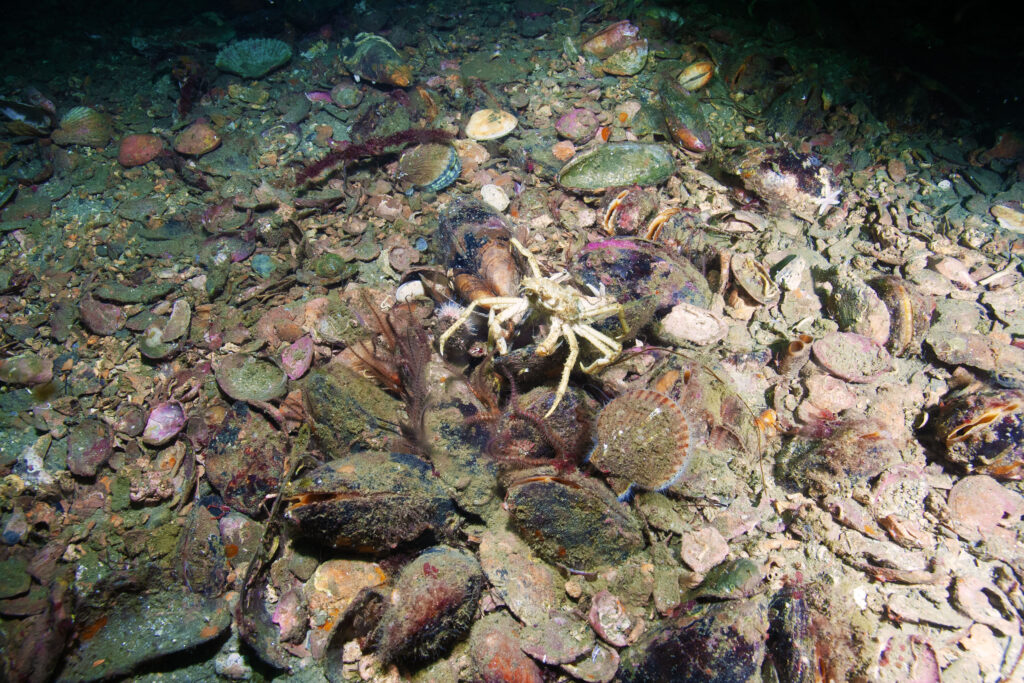
The horse mussel (Modiolus modiolus, a key biogenic reef-forming species, enhances marine biodiversity, provides habitat complexity, and contributes to water quality through filtration. However, in Irish waters, its current distribution is poorly understood, limiting conservation and management efforts. This knowledge gap is increasingly critical due to mounting pressures from offshore renewable energy (ORE) developments, bottom-contact […]
Baseline Biodiversity Study, Dowth
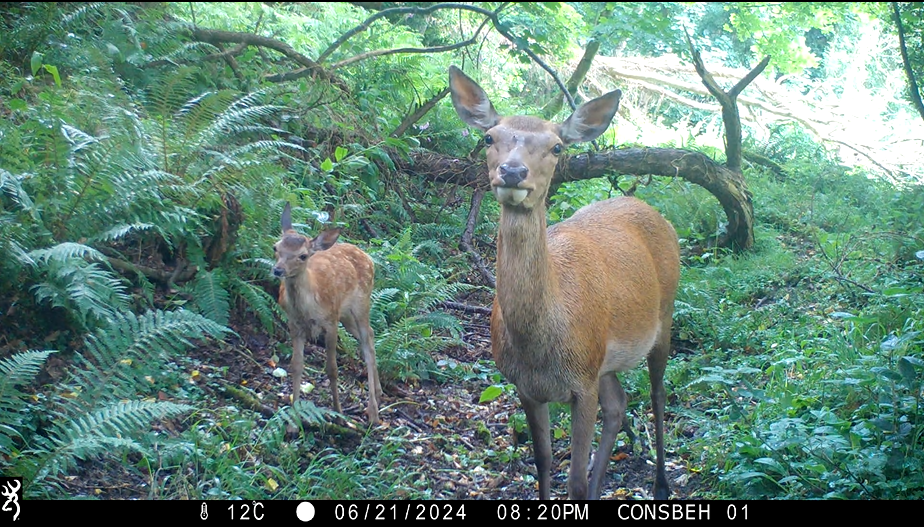
In the summer of 2024, a number of ecological surveys were carried out at Dowth Hall and Demesne (Co. Meath), a property purchased by the Irish State in 2023 for the purpose of establishing a new National Park, the Boyne Valley (Brú na Bóinne) National Park. The primary aim of the surveys was to collect […]
Determining Population Structure and Connectivity of Relict Oyster Beds on the West Coast of Ireland For Restoration
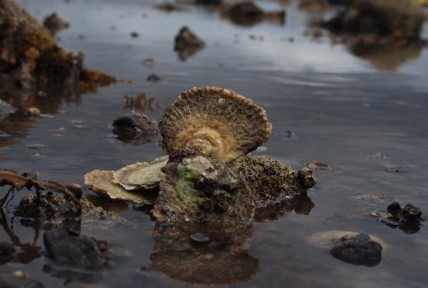
This project is funded by the Irish Research Council (IRC) and Údarás na Gaeltachta under the IRC Enterprise Postgraduate Scholarship Scheme, fitting within the umbrella of Oisre Conamara. The project is part of the Native Oyster Restoration Alliance (NORA) and the Native Oyster Network of the UK and Ireland. Current restorative approaches can tackle aspects […]
BRICONS – Building Resilient Irish Coasts through Oyster Restoration: A Nature-Based Solution for Enhancing Marine Biodiversity and Ecosystems
BRICONS is an interdisciplinary project that draws on a wide range of expertise from multiple fields, including marine ecology, marine biology, environmental science, analytical chemistry, hydrodynamics, remote sensing, and civil engineering. The diverse backgrounds of the PIs provide a comprehensive skill set to address the complexities of biodiversity monitoring and the implementation of nature-based solutions […]
Bioplastic Leachate Ecotoxicity
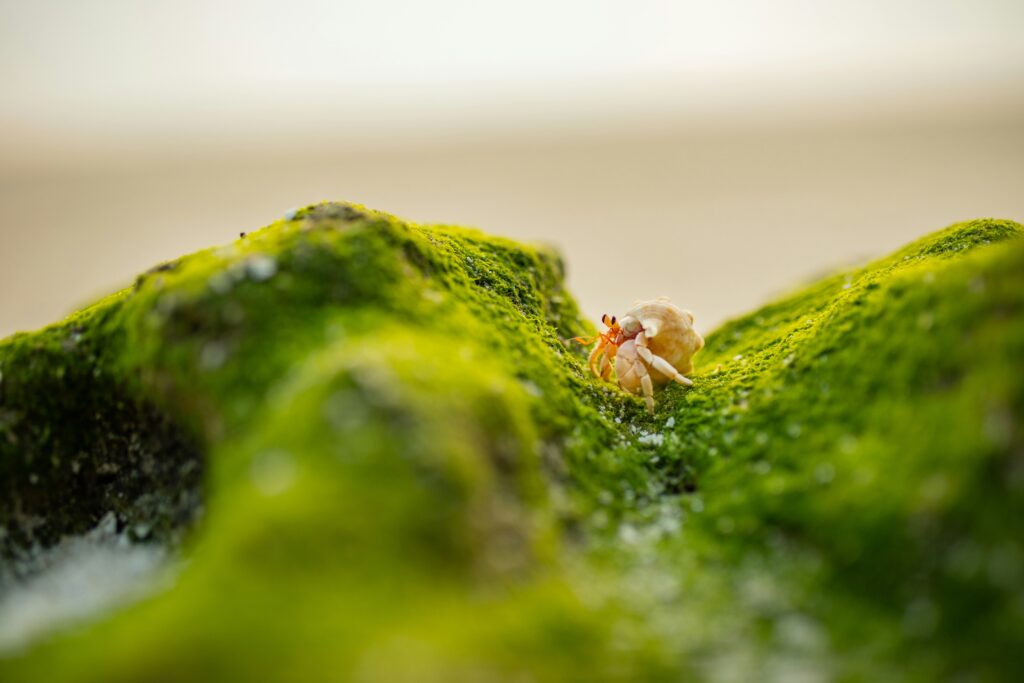
This study will investigate the potential ecotoxicity of bioplastic leachate to the aquatic environment. Bioplastics are manufactured from biomass and are commonly thought to be environmentally friendly. However, to achieve the desired physical characteristics additional chemicals are required during production. Many of these chemicals are loosely bound and susceptible to leaching into the environment. Information […]
Linking Oceanographical Connectivity Pathways and Environmental Pollution Pressures to the Genetic Structure of Planktonic Biota in Coastal Embayments
Various biological resources and ecosystem services are provided by coastal embayments. These have been impacted by growing human populations, overexploitation, habitat transformation and pollution associated with urban developments and agricultural practices. These pressures may be further exacerbated by climate change driven events. The monitoring of such pressures is enforced via several statutory instruments in the […]
Anthropogenic Activities and Their Impact on the Functional Role of Saltmarshes
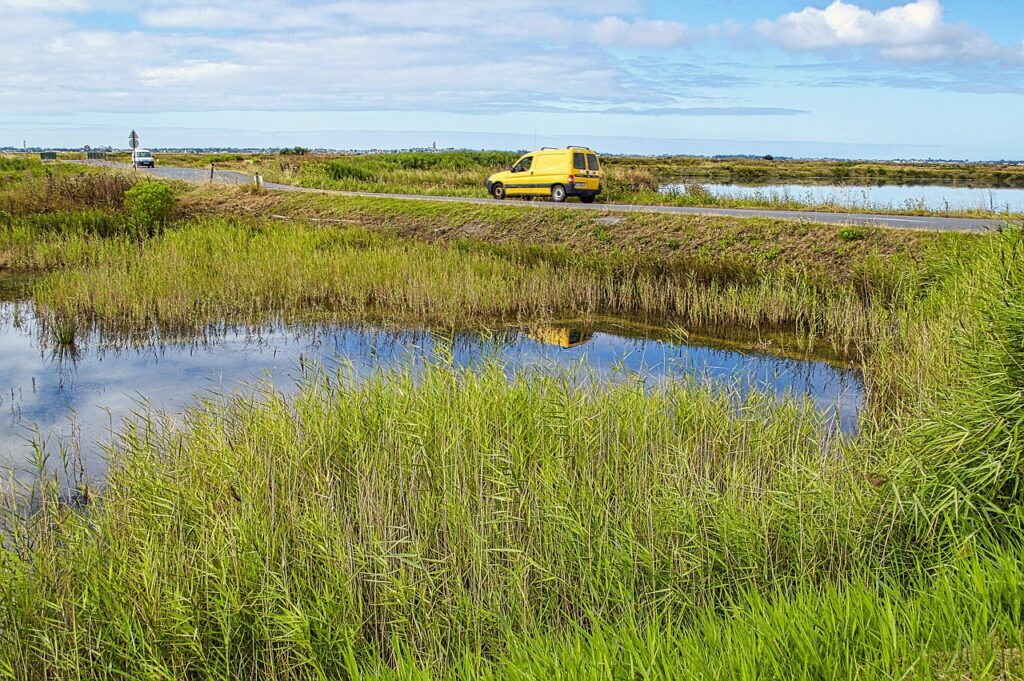
Saltmarshes are sumps for anthropogenic pollutants that lie at the interface between land and sea. They are important habitats particularly for overwintering birds and specialised salt-tolerant plants. While listed under the Habitats Directive, as habitats whose conservation requires SAC designation, the potential for anthropogenic alteration of the marshes will always exist. The inherent resilience to […]
Adapting the Biological Quality Elements (BQE) to Irish Benthic Coastal and Transitional Habitats
The EU Water Framework Directive (WFD) was adopted in October 2000 and is one of the most important pieces of legislation in relation to water quality in EU member states. The aim of the WFD is to protect and monitor all water bodies including surface waters (rivers, lakes, estuaries (transitional waters) and coastal waters) and […]
WARPPEd – Wildlife Art Representing Pressures and Providing Education
The WARPPEd project combines science and art to share information about the pressures wildlife face due to various human activities. As just one form of art media, the project uses ethical taxidermy to produce specimens highlighting pressures such as light pollution, climate change and plastic pollution.